
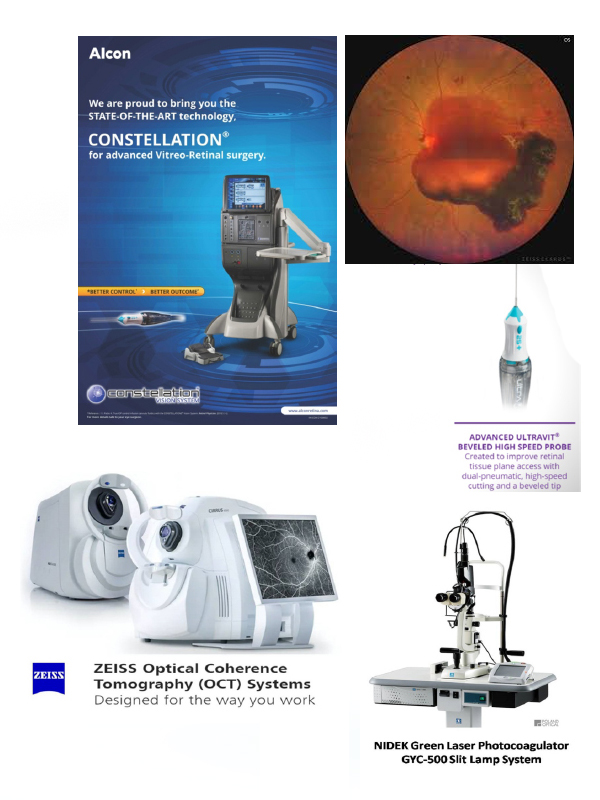
The retina is the light-sensitive layer of nerve tissue at the back of your eye that detects light and converts it into electrical signals, which are then sent to the brain via the optic nerve to form an image. It contains photoreceptor cells (rods and cones) that enable vision, especially in dim light and for detailed central vision, and it can be affected by various disorders such as macular degeneration and retinal detachment.
Light detection: It captures light that enters the eye.
Signal conversion: The photoreceptors (rods and cones) convert this light into biochemical and then electrical signals.
Signal transmission: These signals are transmitted to the brain through the optic nerve.
Image formation: The brain processes these signals to create the visual picture we perceive.
Sometimes the condition is due to the eyes being far-sighted and the need for corrective eyeglasses or, occasionally, to some muscle abnormality. Very rarely, squint may be secondary to a serious abnormality inside the eye, such as a cataract or tumour.
Photoreceptors: These are the light-detecting cells, including rods for low-light vision and cones for sharp, central vision and color.
Macula: A central area of the retina responsible for sharp, detailed central vision, essential for tasks like reading and driving.
Blood Vessels: The retina contains numerous blood vessels that supply it with oxygen and nutrients.
Macular Degeneration: Affects the macula, leading to the loss of sharp central vision.
Retinal Detachment: A medical emergency where the retina pulls away from the back of the eye.
Diabetic Eye Disease: A complication of diabetes that can affect the retina.
Floaters: Cobwebs or specks that appear in the field of vision.
Pay attention to any changes in your vision, such as sudden floaters, flashes of light, or reduced vision, as these can be warning signs of serious retinal disease and require immediate medical attention.